
Understanding CBD and Its Effects
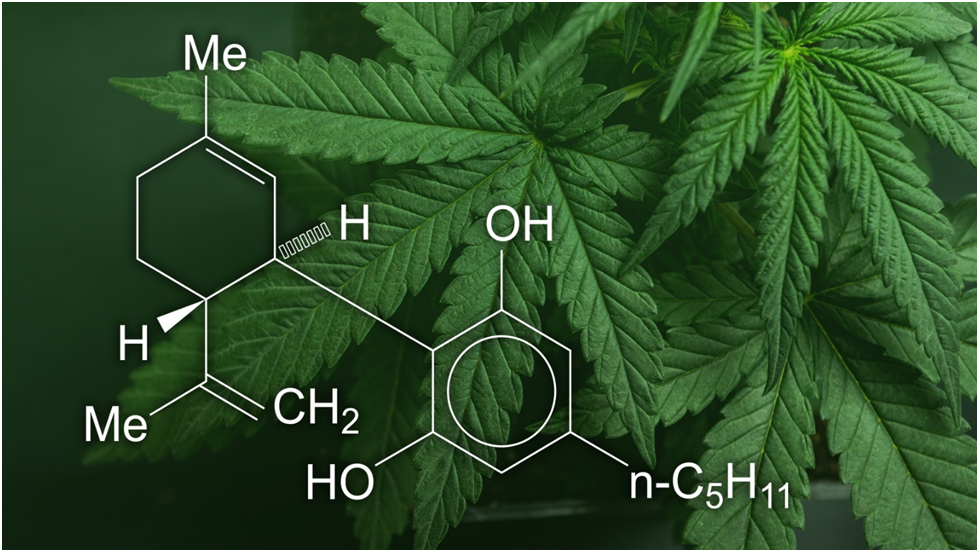
CBD: What It Is and What It Does
CBD, short for cannabidiol, is a naturally occurring compound found in the cannabis plant. Unlike THC, CBD is non-psychoactive, meaning it won’t make you feel “high.” This is why many people turn to CBD to explore the potential benefits of cannabis without experiencing intoxication.
In this guide, you’ll learn how CBD works, the different types of products available, and how it compares to other cannabinoids.
How CBD Works
CBD interacts with the endocannabinoid system (ECS)—a network of receptors in your brain and body that helps regulate mood, sleep, appetite, pain, and immune response. Unlike THC, which binds directly to CB1 receptors in the brain, CBD works alongside your body’s natural cannabinoids to maintain balance.
Research is still ongoing, but scientists believe CBD may help your body use its own endocannabinoids more efficiently.
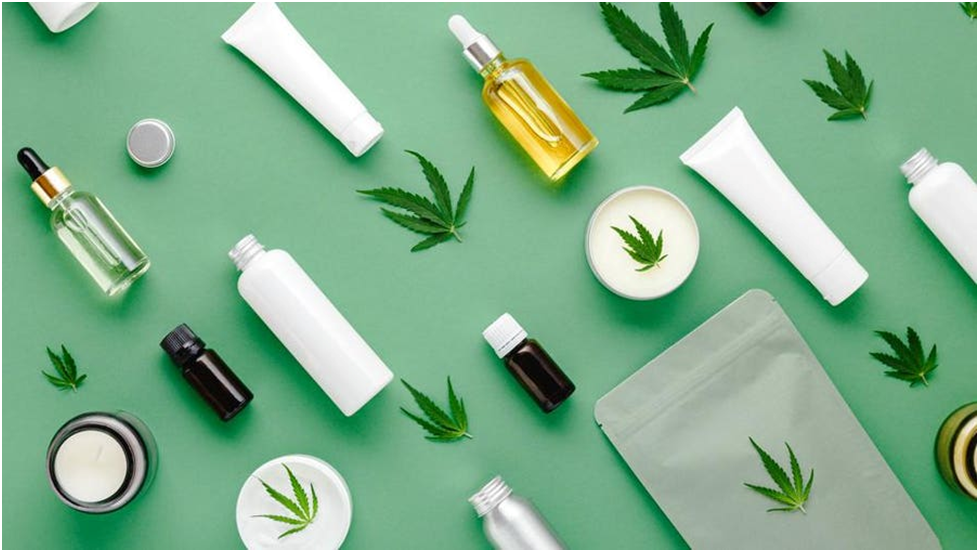
Types of CBD Products
CBD is versatile and comes in many forms to fit different preferences:
- CBD Flower: CBD-dominant cannabis flower with minimal THC. Ideal for those who enjoy smoking but want to avoid psychoactive effects.
- CBD Oil & Vapes: Fast-acting and discreet, CBD oils and vapes are popular for quick effects.
- CBD Edibles: Gummies, chocolates, capsules, and beverages offer a tasty, convenient option. Effects may take 20–40 minutes to kick in.
- CBD Tinctures: Infused liquids taken under the tongue for faster absorption without smoking.
- CBD Topicals: Creams and lotions for targeted, localized effects. Some are transdermal for full-body benefits.
Full-Spectrum, Broad-Spectrum, and Isolate
- Full-Spectrum CBD: Contains most of the compounds from the plant (cannabinoids, terpenes, flavonoids) for the entourage effect, which may enhance overall benefits.
- Broad-Spectrum CBD: Similar to full-spectrum but usually contains no THC. Still offers many benefits depending on the extraction method and quality of the plant.
- CBD Isolate: Pure CBD without other cannabinoids. Ideal for those avoiding THC or wanting a focused CBD experience.
What CBD Is Used For
CBD has become a popular natural wellness option for those seeking the potential benefits of cannabis without the high. It is often used to support:
- Relaxation and calm
- Mood and mental clarity
- Sleep and rest
- Overall wellness
CBD is now widely available in stores, online, and in wellness products, making it accessible even in states where recreational cannabis may be restricted.
CBD and Legality
- Hemp-derived CBD (less than 0.3% THC) is federally legal in the U.S.
- Marijuana-derived CBD (more than 0.3% THC) remains federally illegal.
Always check local regulations before purchasing or using CBD products.
CBD and Epilepsy
CBD has gained recognition for its medical potential, particularly in seizure management. In 2018, the FDA approved Epidiolex, a CBD-based medication, for treating rare forms of epilepsy such as Lennox-Gastaut and Dravet syndrome. This marked a significant milestone in legitimizing CBD’s potential therapeutic uses.

CBD vs. THC
- CBD: Non-intoxicating, may support wellness without altering mental state.
- THC: Psychoactive, binds directly to brain receptors, may uplift mood but causes a high.
CBD vs. THC
CBD vs. CBG
CBG (cannabigerol) is a minor cannabinoid often called the “mother cannabinoid” because it is a precursor to other cannabinoids like THC and CBD. While less abundant, it may complement CBD and other cannabinoids through the entourage effect.
Final Thoughts
CBD is a versatile, fast-growing wellness option for those looking to explore the benefits of cannabis without the psychoactive effects. As with any supplement, choose high-quality, lab-tested products and consult a healthcare professional to ensure it’s right for you.
Individual results may vary.
FAQ’s
No. CBD is non-psychoactive and does not produce the euphoric “high” associated with THC.
CBD is generally safe and well-tolerated. However, it can interact with some medications, so check with your doctor first.
The timing depends on the method of consumption—oils under the tongue work faster, edibles take longer to take effect.
Pure CBD isolate is unlikely to show up on a drug test. Full-spectrum products may contain trace THC, which could trigger a positive result.
